
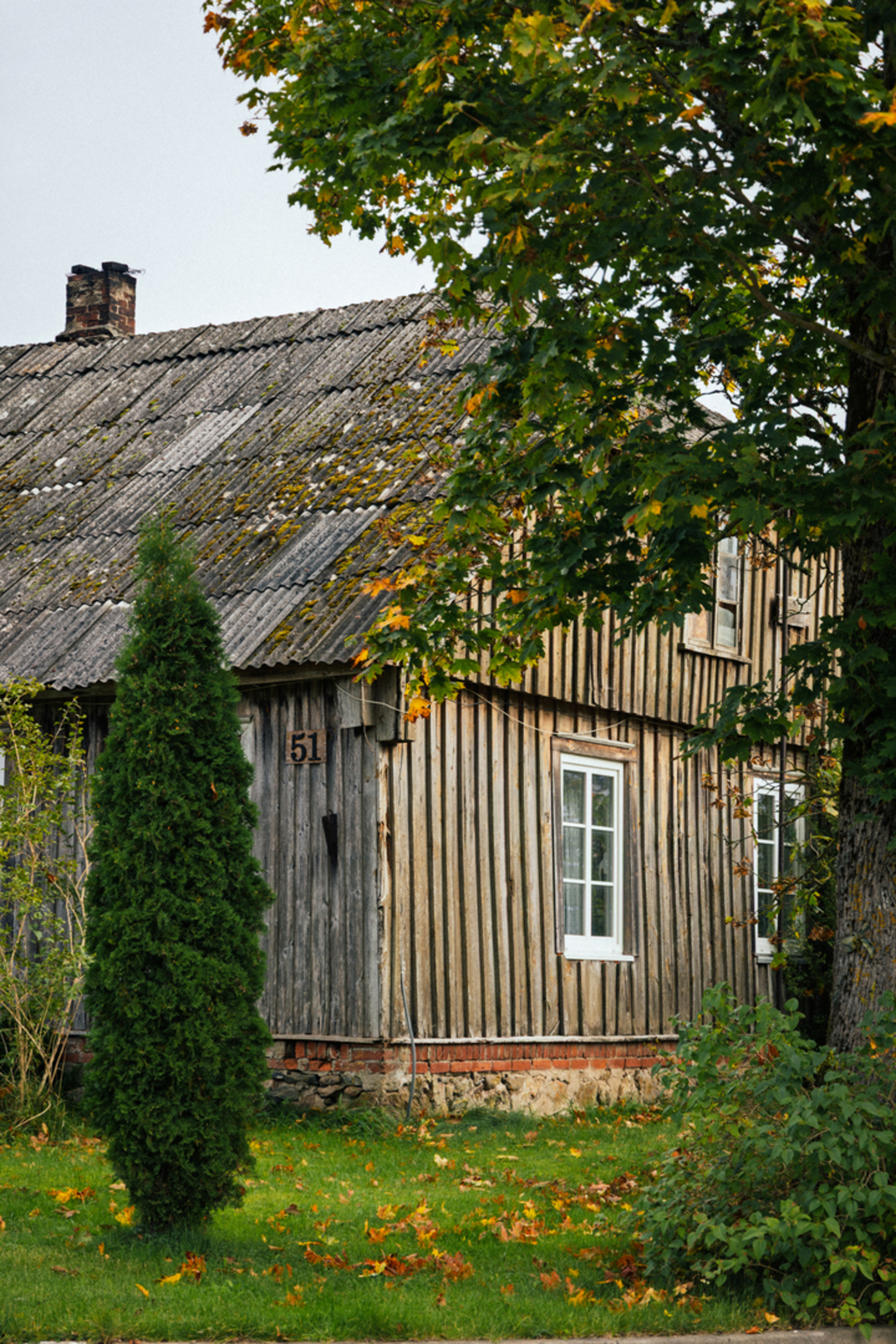
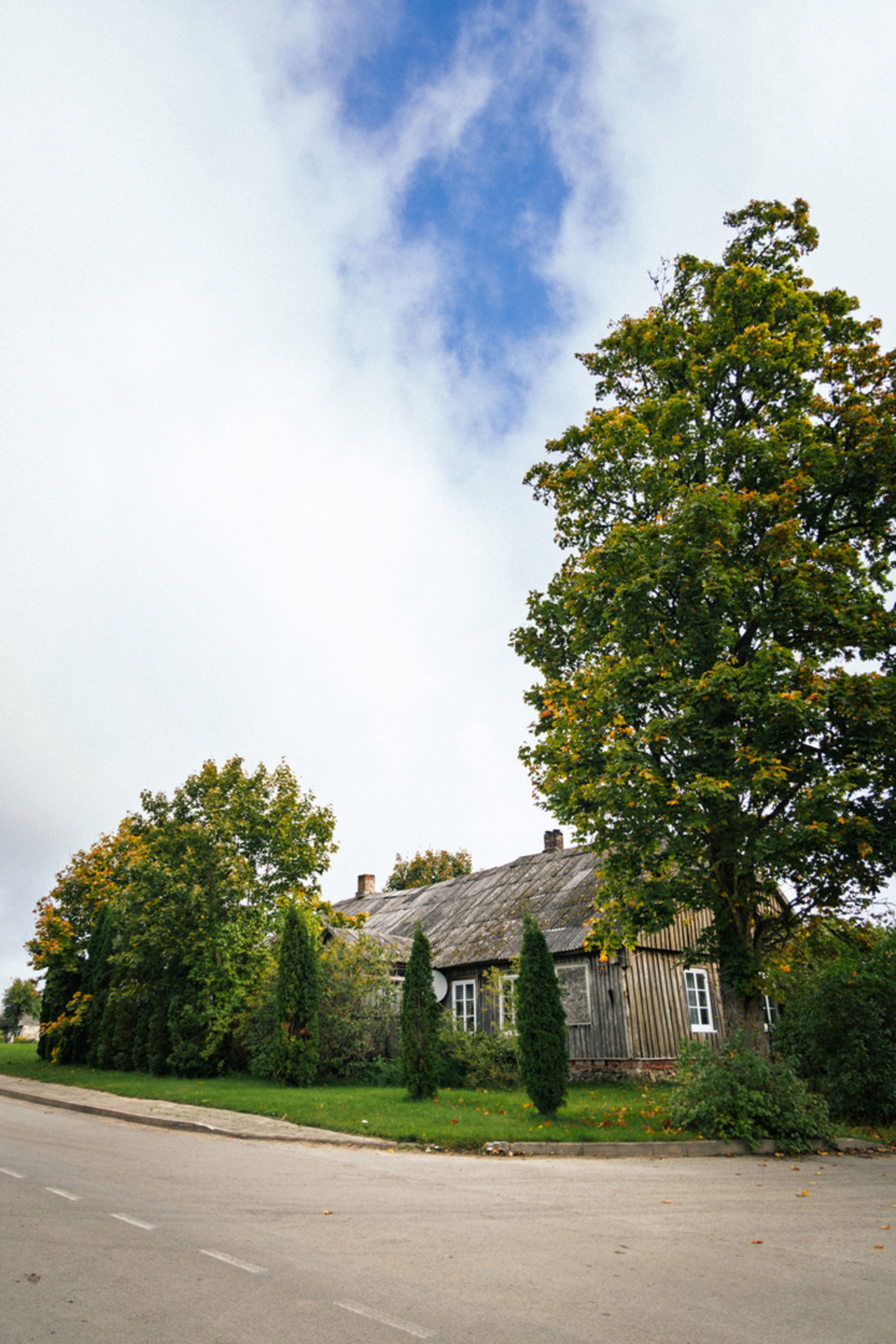
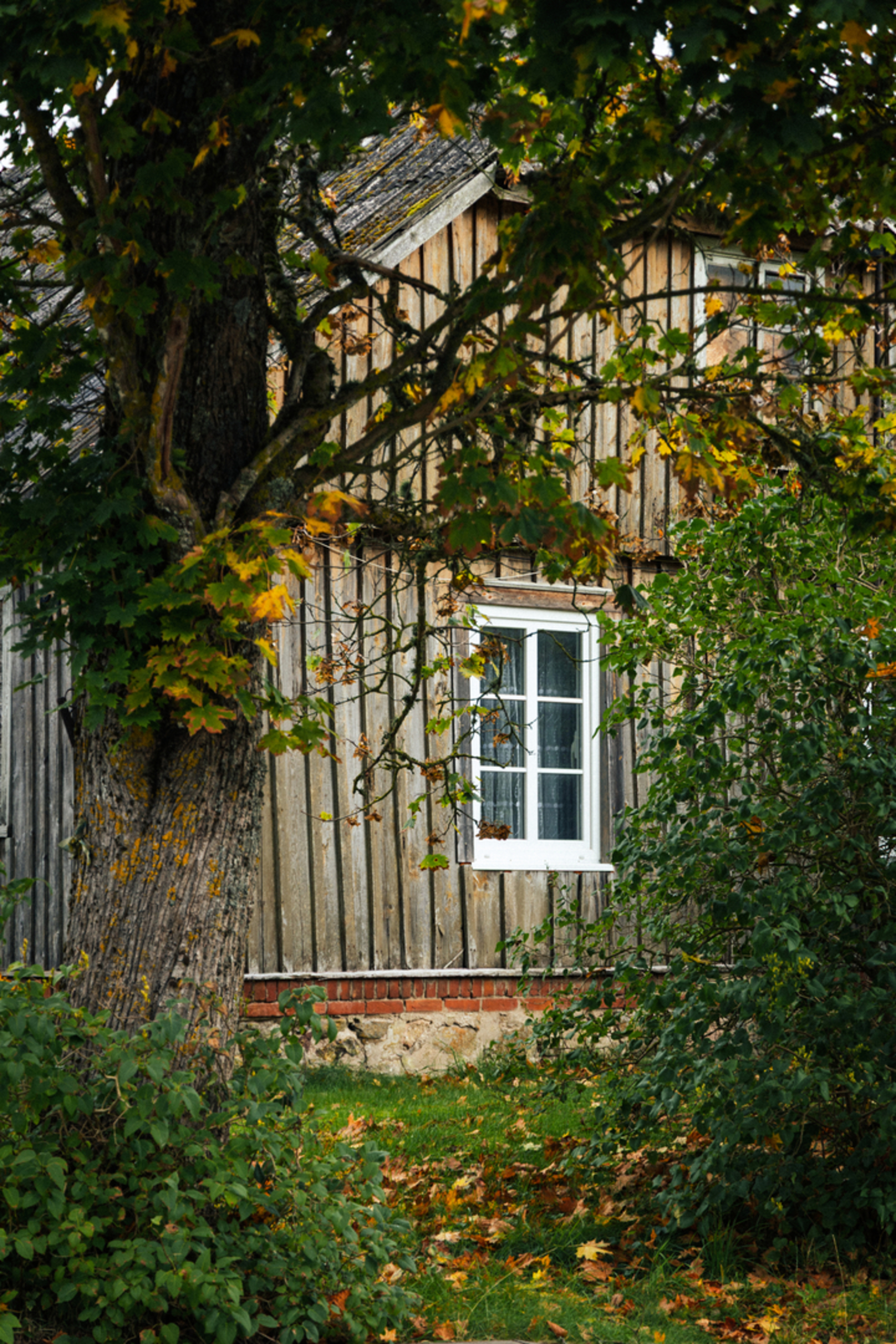
Jonušas family house in Vadagiai
You start the route in Vadagiai, near Renavas, at the surviving house that preserves the history of the Jonušas family. Although composer Bronius Jonušas was born in Pašilė, this place also became an important part of his life. Family memories, love and music that accompanied the Jonušas every day intertwine here.
In 1917, Bronius' parents, having sold their hut in Gedrimai, bought a house in Vadagiai. A large and musical family moved into it. The father and his six children played various instruments - from the violin and clarinet to the double bass and drums. It was a whole family orchestra, and playing music not only brought joy to the Jonušas, but also helped them earn a living.
The musical path of the eldest son, Bronius, eventually extended far beyond his native land. He became a composer, conductor of orchestras and choirs, and a creator known as the king of Lithuanian marches. However, he remained close to relatives and friends in the Renava area, to whom he would return.
This house also commemorates family ties. It was purchased from the Jonušas by a representative of the Bumšteiniai family, and his brother's daughter Otilija became the wife of Bronius Jonušas. The love story that remains in the memories of relatives was short: Otilija died early, leaving behind a young son, Rimantas.
One of the most vivid stories about Bronius's visits to Renavi dates back to around 1944. Having stopped by a choir rehearsal, he asked the organist Alberts Martinkus to play a waltz and danced himself. Later, he asked if he had seen Jonušas. The organist replied that he had seen him in Palanga, wearing a uniform. Then the guest introduced himself – the same Bronius Jonušas stood in front of him, only this time without a uniform. In his memoirs, this was his last meeting with the people of Renavi before leaving for the West.
After Bronis left, the family's music did not die down. His brother Petras took over the leadership of the orchestra, and his father, no longer able to play a wind instrument, played the violin or beat the drum. Later, this tradition was continued by his nephew Pranciškus Vasiliauskas, who was trained in music, and formed his own orchestra.
Stopping at the old house, try to imagine a time when a family of musicians would gather here, and their everyday lives would be accompanied by the sounds of different instruments. This stop invites you to get to know Broniai Jonušas through his relatives and the environment where music was an integral part of life.
Reviews